Notice Unposted: The Civic Cost of Moving Public Notices Off the Printed Page
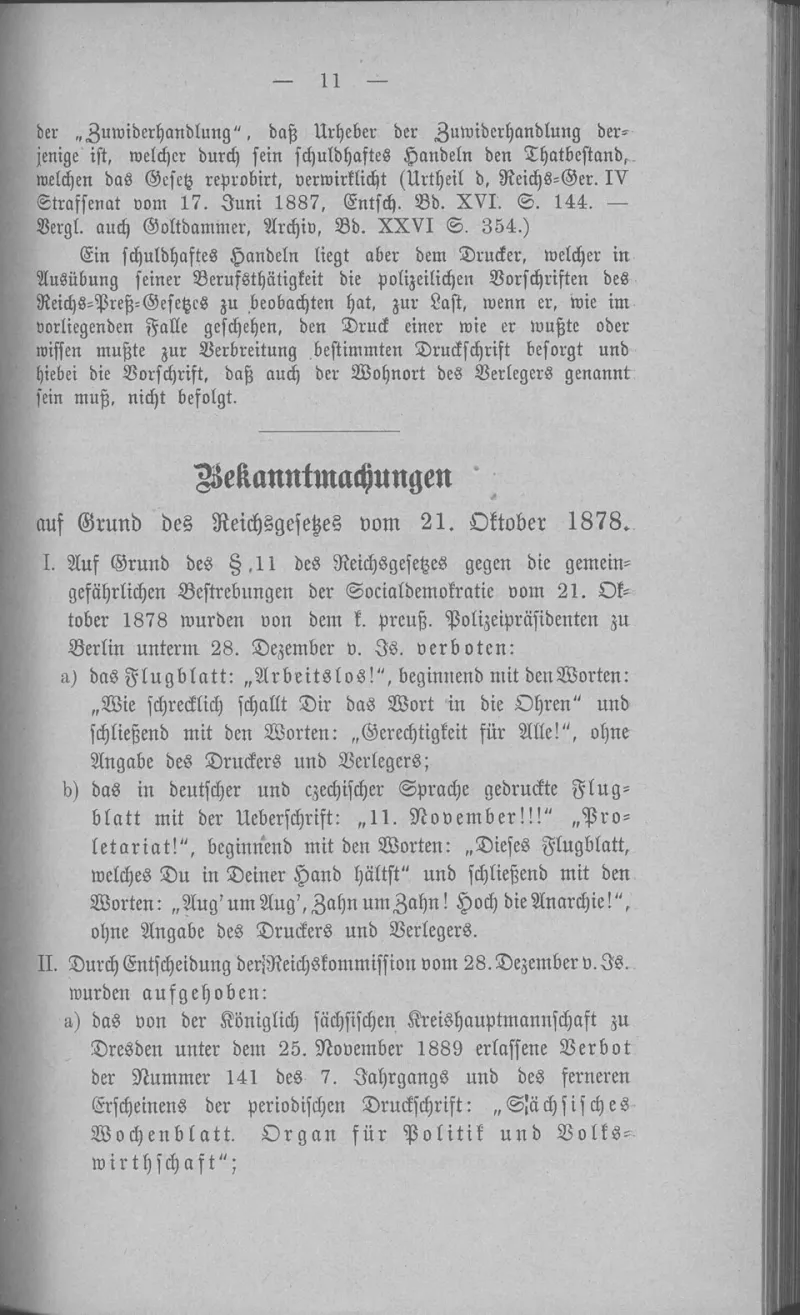
Photo: official juridical document, Public domain, via Wikimedia Commons
Public notices are the fine print of democracy. They announce a zoning change, a foreclosure sale, a government contract, a liquor license, a tax levy, or an election. For generations, state laws have required many of these notices to appear in local newspapers. The logic was simple: a public notice should be published where the public can find it.
In 2026, that logic is being tested. Municipalities and state agencies are moving public notices from print to government websites. The shift is often framed as modernization and cost savings. It is also a transfer of civic power and newspaper revenue, with consequences that are not evenly distributed.
The Fine Print of Public Life
A public notice is not a press release. It is a legal record. It tells residents that a property is scheduled for foreclosure, that a city plans to sell land, that a school district will award a contract, or that a government body will meet. The notice creates an official opportunity to object, bid, or attend.
Print newspapers were never perfect notice boards. Circulation has fallen for years, and many residents never read the legal ads. But print offered a predictable format, a dated archive, and a physical copy that could be inspected at a library or a newsroom. The notice was placed in a package that people already associated with public information.
The Revenue Trade-Off
For local newspapers, legal advertising has been a stable revenue stream. It is not enough to save a failing paper, but it can support a clerk, a press run, or a reporter's salary. As notices migrate online, that revenue follows. Municipalities save money on publication fees. Newspapers lose a line item that helped underwrite local coverage.
The trade-off is not only financial. When a government website becomes the official notice board, the government controls the format, the search function, and the archive. That does not make the notice secret. It does make it easier to miss.
Digital Access Is Not the Same as Public Access
A notice posted on a county website may be technically public and practically invisible. It may be buried in a PDF, filed under an unfamiliar department, or removed after a short window. It may not be searchable, accessible to screen readers, or available in languages spoken in the community. It may assume broadband that some residents do not have.
Print had its own barriers: cost, literacy, distribution. But the digital shift has introduced new ones. A resident who wants to know about a foreclosure or a zoning variance may need to know which department handles it, which page to check, and which format to open. That is not public access in any meaningful sense. It is access for people who already know where to look.
State Laws Play Catch-Up
State laws are inconsistent. Some still require print publication for certain notices. Some allow government websites as an alternative. Some require both. Legislatures have revisited these rules as newspaper revenues have declined and digital tools have improved. The debates often pit fiscal savings against civic transparency.
The better question is not print versus digital. It is whether the notice reaches the people affected. A hybrid system may work: a searchable central portal, a requirement to notify affected residents directly, a printed copy in a public library, and a durable archive. The format should serve the public, not the convenience of the agency.
What Residents Can Do
Residents can check their state's public notice laws and ask local governments where notices are posted. Libraries and civic groups can monitor municipal websites and flag broken links or missing archives. Journalists can report on the notices that matter and explain how residents can respond.
Transparency is not a PDF. It is a practice. If public notices disappear from the places where people once found them, the public does not simply lose a legal ad. It loses a chance to participate before decisions are final.