The Docket Nobody Reads: America's Vanishing Court Beat and the Public Record It Leaves Behind
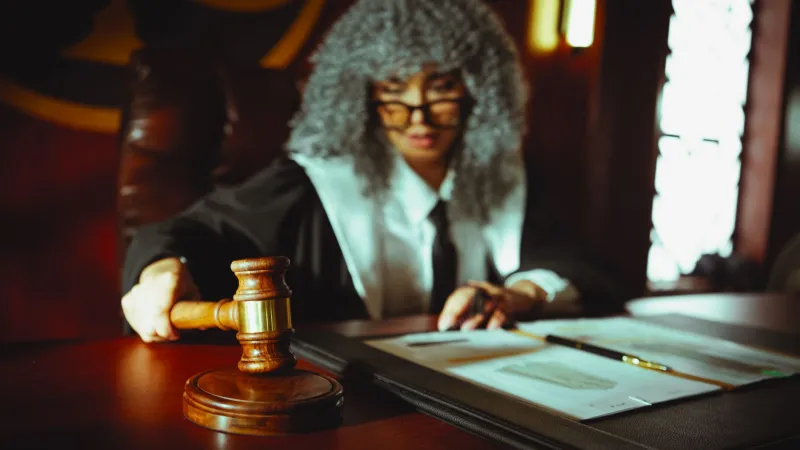
Most of what the American justice system does, it does quietly. Not in televised trials, but at 9:14 on a Tuesday morning, in a hearing that lasts four minutes, before a judge who has sixty more of them to get through before lunch. A bail amount is set. A plea is entered. A protective order is granted. The next case is called.
For most of the last century, the only outside witness to those four minutes was a reporter with a notebook. Not because every hearing merited a story, but because someone was present—someone who could notice when the same landlord filed the same eviction against a different tenant for the fourth time in a month, or when a public defender's caseload had grown so heavy that clients were meeting their lawyers in the hallway.
That witness is becoming scarce. Court beats, once a fixture of American newspapers from the county seat to the federal courthouse, have thinned as newsrooms cut staff and reassign the survivors to whatever produces the most traffic. What remains is often a shared reporter covering three counties, or a wire service stringer filing from a parking lot.
A Beat Built on Showing Up
Court reporting has always been labor-intensive and largely unglamorous. It rewards patience over prose. The work is docket-reading, hallway waiting, and the slow accumulation of context that lets a reporter recognize a pattern the moment it repeats.
That context does not transfer easily. A reporter who covers a courthouse for a decade learns which judges explain their rulings and which do not, which prosecutors file aggressively and which negotiate, which defense attorneys show up prepared. None of that knowledge appears in a document. It is acquired by sitting in the room.
When the beat is cut, the loss is not a single story that fails to run. It is the disappearance of a standing capacity to notice.
What Moves Online Moves Out of View
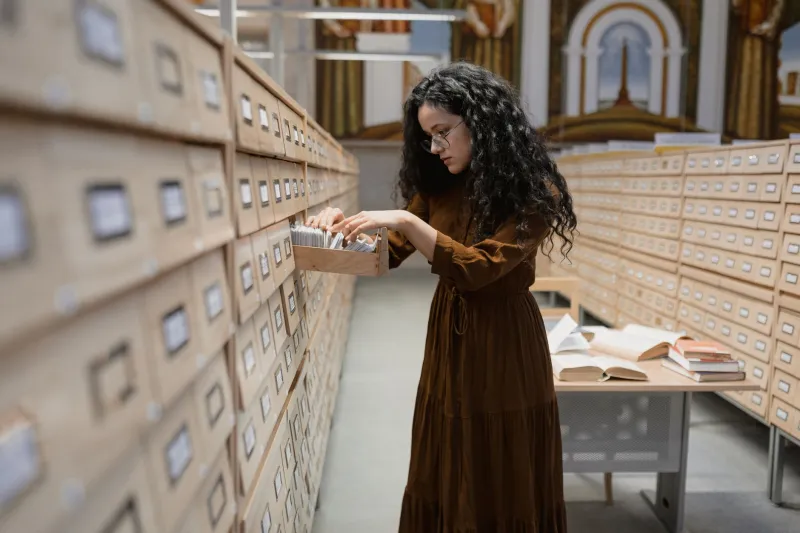
The pandemic accelerated a shift that had been underway for years: hearings conducted by video link, filings delivered through subscription portals, dockets published as raw data. In principle, this is democratizing. A member of the public can now read a case file from a kitchen table in another state.
In practice, access is not attention. A docket entry stating that a motion was granted tells a reader nothing about why, what was argued, or who was in the room. The record that matters to civic understanding is often the part that never gets transcribed.
There is also a quieter problem: proceedings held by video are harder to observe casually. A reporter cannot linger in a virtual hallway. Attorneys speak over one another. Exhibits appear on a screen and vanish. The texture of a hearing—the hesitation before an answer, the reaction of a family in the back row—is flattened into a grid of faces.
The Four-Minute Hearing Test
The hearings most likely to go uncovered are the ones that most directly shape ordinary lives. Bail decisions determine whether a person keeps a job while awaiting trial. Plea agreements resolve the overwhelming majority of criminal cases without a trial or a jury. Eviction and small-claims calendars move thousands of families through a courtroom each week.
Each of those proceedings is technically public. Each is, in practice, unwatched.
The consequence is not that injustice goes unnoticed in a dramatic sense. It is that small irregularities accumulate without anyone keeping count—a courtroom that routinely sets bail beyond what defendants can pay, a prosecutor's office that files charges later than the law allows, a municipal court that quietly stops holding sessions altogether.
Rebuilding the Bench
Some newsrooms are experimenting with models that acknowledge the economics. Nonprofit outlets have pooled resources to fund a single regional courts reporter shared across several small publications. Journalism schools have built practicum courses in which students cover the courthouse under an editor's supervision, filing stories for local partners rather than a classroom grade.
Others have taken a document-first approach: rather than staffing a courtroom daily, a reporter builds systems to monitor filings, then appears for the hearings that matter. That works, but only where a publication still has someone with enough courthouse fluency to know which filings matter.
Community partnerships offer another path. Court-watching groups, legal aid organizations, and library programs already send volunteers to observe proceedings. Newsrooms that treat those volunteers as sources rather than competitors gain a network of eyes without pretending to have staff they do not.
The Cost of an Empty Chair
A courthouse without a reporter still functions. Trials still conclude, sentences are still imposed, files are still stamped and stored. What disappears is the account—the running, human, contested narrative that lets a community argue about its own justice system using shared facts.
That narrative cannot be reconstructed later from a database. It has to be gathered while the room is full, before the next case is called.